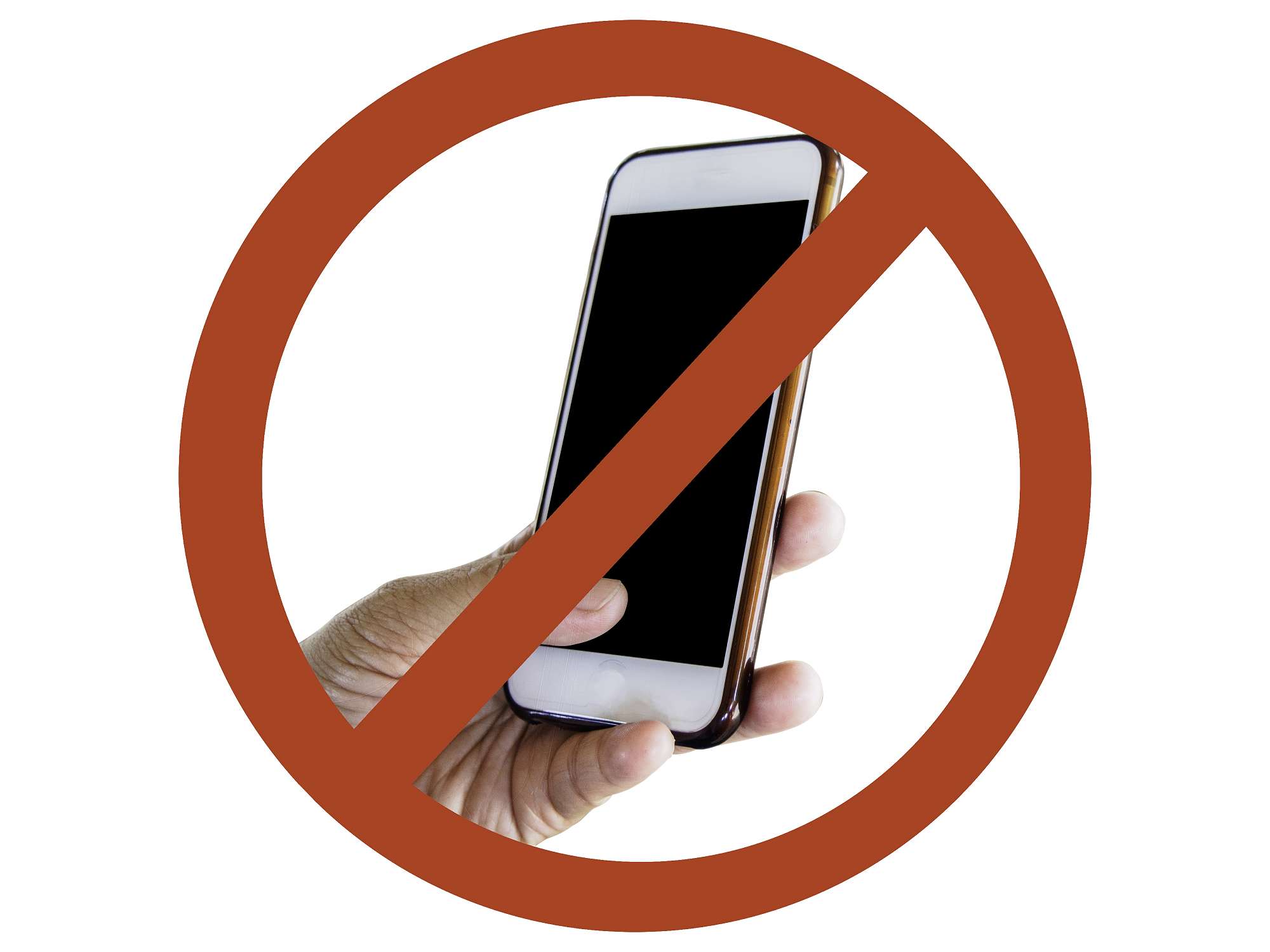
The 'Phones Away For The Day' means that students are not to have their phones out for any reason, unless directed by a teacher, in classes and during break times.
Why This Policy?
- This policy has been implemented by the Government as they want the focus to be on your learning.
- The latest education results (PISA) from across a number of countries (OECD) indicate that cell phones are one of the major contributors to the decline of education.
- Education is the gateway to better life outcomes not only for individuals but also society as a whole.
- Parents and employers agree that minimising cell phone distraction is important for students to focus on learning and preparing for focus in the workplace.
- Replacing the habit of phone use with healthier habits including positive interactions with their peers and the world around them.
How Will Students Communicate With Home?
- Parents must email or call the school to pass students a message e.g. the meeting place after school has changed. Please use email in the first instance.
- If students want to communicate home they must use email in the first instance.
- If students are unwell and need to go home they are to go to Student Services / Kāhui Rangatahi and they will liaise with you to collect your student.
What Will Happen If Your Child Has Their Phone Out?
- There will be a warning process to begin with after which time teachers will work through a process of taking cellphones in for safe keeping.
- If students are really struggling, they may be placed on personalised plan whereby they give their phone to their whānau/advisor teacher at the start of the day.
- If the student has left their laptop at home and/or their laptop is broken, using a phone is not a valid reason. Students will have access to loan chromebooks, IPADS and desktop computers.
How Can You Help?
- Have conversations with your child about what the communication plan will be:
- E.g. you will download the email app to your parental device so you can check more easily if your child has emailed
- You assure your child that you email them or call the school if you need to pass them a message
- You will put plans in place for after school pickup and stick to this.
- Have conversations with your child about phone addiction and support them to put healthier habits in its place:
- E.g. Taking up a sport, join a club/music group
- Consider different fidget toys to supplement the hands needing to do something - check out: Kaiko Fidgets
- Role model good phone use at home
- Support the implementation of this policy by having conversations at home about how to manage this transition.
Check out this blog from a well known NZ author James Russell who talks about the benefit of teenagers putting their phones away.
Exceptions:
- Some classes will use cellphones for learning e.g. media studies. This will be made clear by the teacher when this is appropriate and for how long.
- EOTC trips may require cell phones, this will be indicated in the consent forms.
- Some students may need access to phones for translation, health and or inclusive learning purposes. This will be indicated on the child’s KAMAR profile and approved by the IL/ELL department.